PDA, the Potash Development Association PDA, the Potash Development Association
What is the PDA?
What does the PDA do?
Leaflets produced by the PDA
Potash Newsletter
Technical notes
UK Soil Analysis PAAG Reports
Links to other websites
What is Potash?
How to contact the PDA
Subscribe to PDA RSS feed

PDA leaflets

The PDA produces a range of leaflets relating to potash and its use. These clear and informative publications can be ordered from the PDA by checking the box next to each title and then submitting the request at the end of the page.

Nutrients in crop material

Phosphate and Potash removal by crops.

last update: 2010

leaflet available to
or
Nutrients in crop material: Phosphate and Potash removal by crops

Organic Manures

Animal manures and other sources of Phosphate, Potassium and Magnesium.

last update: 2010

leaflet available to
or
Organic Manures: Animal manures and other sources of Phosphate, Potassium and Magnesium

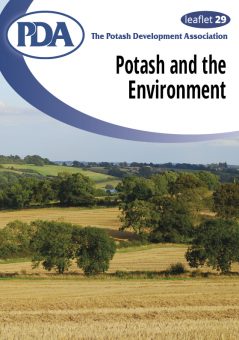
29. Potash and the Environment

The use of potash does not have an environmental downside, but lack of K can reduce efficient plant uptake of N and P. This leaflet looks at the issues including cross-compliance and good practice.

last update: 2006

leaflet available to
or
Potash and the Environment

28. Why maintain soil potash reserves

A review of the factors underlying the importance of adequate reserves of potash in the soil, and the costs of deficiency.

last update: 2007

leaflet available to
or
Why maintain soil potash reserves

27. Fodder beet - P & K Offtake

A report on a study of fodder beet with important new conclusions on nutrient offtake.

last update: 2001

leaflet available to
or
27 Fodder beet - P&K offtake

26. Nutrient requirements of forage crops

Reports on the yield potential of six different forage crops and their nutrient uptake and removal requirements.

last update: 2008

leaflet available to
or
26. Nutrient requirements of forage crops 

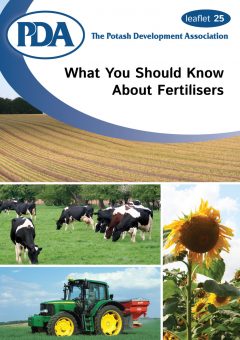
25. What you should know about fertilisers

Provides a layman's description of plant foods and explains the natural origins of potash and justification for its use as a fertiliser in simplistic terms.

leaflet available to
25. What you should know about fertilisers

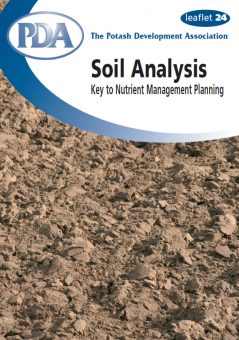
24. Soil analysis: key to nutrient management planning

Comprehensive guide to soil sampling and interpretation of soil results including indispensable reference material not found in any other single source.

last update: 2011

leaflet available to
or
24. Soil analysis: key to nutrient management planning

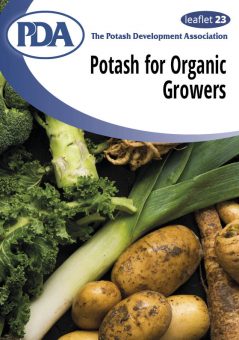
23. Potash for organic growers

Explains the principles of manuring for organic and conventional systems and the regulations affecting the use of different potash products.

last update: 2008

leaflet available to
or
No. 23 Potash for organic growers

22. NK Top dressing

Reviews the pattern of nutrient uptake and removal by arable crops and details the practical approach for optimum timing of potash application.

last update: 2006

leaflet available to
or
22. NK Top dressing

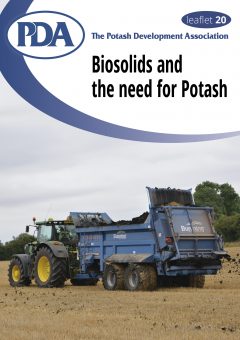
20. Potash and biosolids

Biosolids (sewage sludges) provide useful contributions of nitrogen and phosphate but virtually no potash. Typical contents of biosolids are given together with recommendations for balancing K requirements.

last update: 2007

leaflet available to
or
20. Potash and biosolids

19. Potash for heavy soils

Explains in simple terms why some heavy soils are rich in potash and provides a practical strategy for fertiliser use on clay soils.

leaflet available to
or
19. Potash for heavy soils

18. Grain legumes need potash

Summarises new research findings on the potash needs of beans, peas and other grain legumes which provide important new information for anyone growing these pulse crops.

last update: 2006

leaflet available to
or
18. Grain legumes need potash

17. Forage maize - fertiliser requirements

Unravels frequent misunderstandings about the nutrient requirement of forage maize. Provides clear, practical guidelines on the best form of nutrients, optimum amounts and correct timings.

last update: 2008

leaflet available to
or
17. Forage maize - fertiliser requirements

16. Fodder beet - fertiliser requirements

Provides a complete guide to the fertiliser requirements of this crop which has the potential to produce the highest digestible yield of any forage crop.

last update: 2001

leaflet available to
16. Fodder beet - fertiliser requirements

15. Potash for potatoes

Influence of different forms and timing of potash on potato yield and quality. Recommendations for earlies, canners, maincrop and seed potato crops.

last update: Jan 2008

leaflet available to
or
15. Potash for potatoes

14. Potash for grassland

Full details of the functions, responses, uptake, removal and deficiency symptoms of potash for grass. Explanation of luxury uptake and the effect on mineral balance in herbage. Potash in manures. Recommended amounts and timing of fertiliser for re-seeding, grazing and cutting.

last update: 2005

leaflet available to
or
14. Potash for grassland

13. Oilseed rape and potash

Requirements of potash for oilseed rape including recommendations and timing of application.

last update: 2006

leaflet available to
or
13. Oilseed rape and potash

12. Potash for sugar beet

Potash and sodium needs of sugar beet together with a list of typical contents of different fertiliser materials. Recommended amounts and timing for different situations.

last update: 2006

leaflet available to
or
12. Potash for sugar beet

11. Potash for cereals

Full details of the functions, responses, uptake, removal and deficiency symptoms of potash in cereal crops. Recommended amounts and timing for different situations.

last update: 2011

leaflet available to
or
11. Potash for cereals

9. Potash for silage

Long-term grass trial results giving the effects of inadequate potash application on yield, nutrient offtake, soil reserves and herbage mineral content.

9. Potash for silage

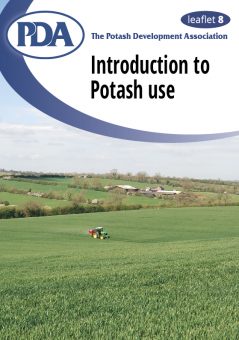
8. Principles of Potash use

Reviews the principles of potash manuring. Provides target levels for soil fertility, standard offtake figures for UK crops and guidelines on how to calculate potash recommendations.

last update: 2006

leaflet available to
or
8. Principles of Potash use

7. Watch your P's and K's for Cereals

Practical Do's and Dont's for cost saving on P & K for cereals.

last update: 2005

leaflet available to
or
Watch your P's & K's for cereals

6. Potash, Magnesium & Sodium

Reviews the interaction of these nutrients in fertilisers, soil and herbage and how this affects mineral balance in the animal. Provides the facts regarding the impact of fertiliser potash on grass staggers.

last update: 2005

leaflet available to
or
6. Potash, Magnesium and Sodium

5a. Results from wheat demonstration plots

Yield, soil fertility and economic implications of using inadequate amounts of potash for wheat.

last update: 2006

leaflet available to
or
5a. Results from wheat demonstration plots

5b. Results from grass demonstration plots

Yield, soil fertility and economic implications of using inadequate amounts of potash for grass.

last update: 2007

leaflet available to
or
5b. Results from grass demonstration plots

4. Potash manuring for arable crops

Explains how potash is held in soil, how potash affects arable crop yields and how such response is affected by other factors such as nitrogen.

leaflet available to
or
4. Potash manuring for arable crops

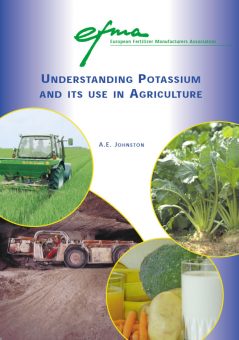
Understanding potassium and its use in agriculture

The book provides vital and clear reference material on the role of potassium in plants, animals and humans, its origins in nature, its uses to mankind, its importance and correct use in agriculture, its movement in air, water and soil, and its place in manures and fertilisers.

Download Understanding potassium and its use in agriculture

Understanding potassium and its use in agriculture

To order a printed copy of any of these publications simply check the box next to the title you want, and then complete the following form.

Please complete the form anyway and if you are in the UK or Ireland we will automatically send you new leaflets and updates by post as they are published.

Alternatively, you can sign up to our free automatic updates feed (PDA RSS feed) to be informed as new items are published on the PDA website.

Name:

Email:

Telephone:

Occupation:

Postal address:
(including postcode)

NRoSO number:
(if applicable)


If you have any problems submitting your request then email us


Please ensure all fields are completed.


Site design by Green Shoots Productions